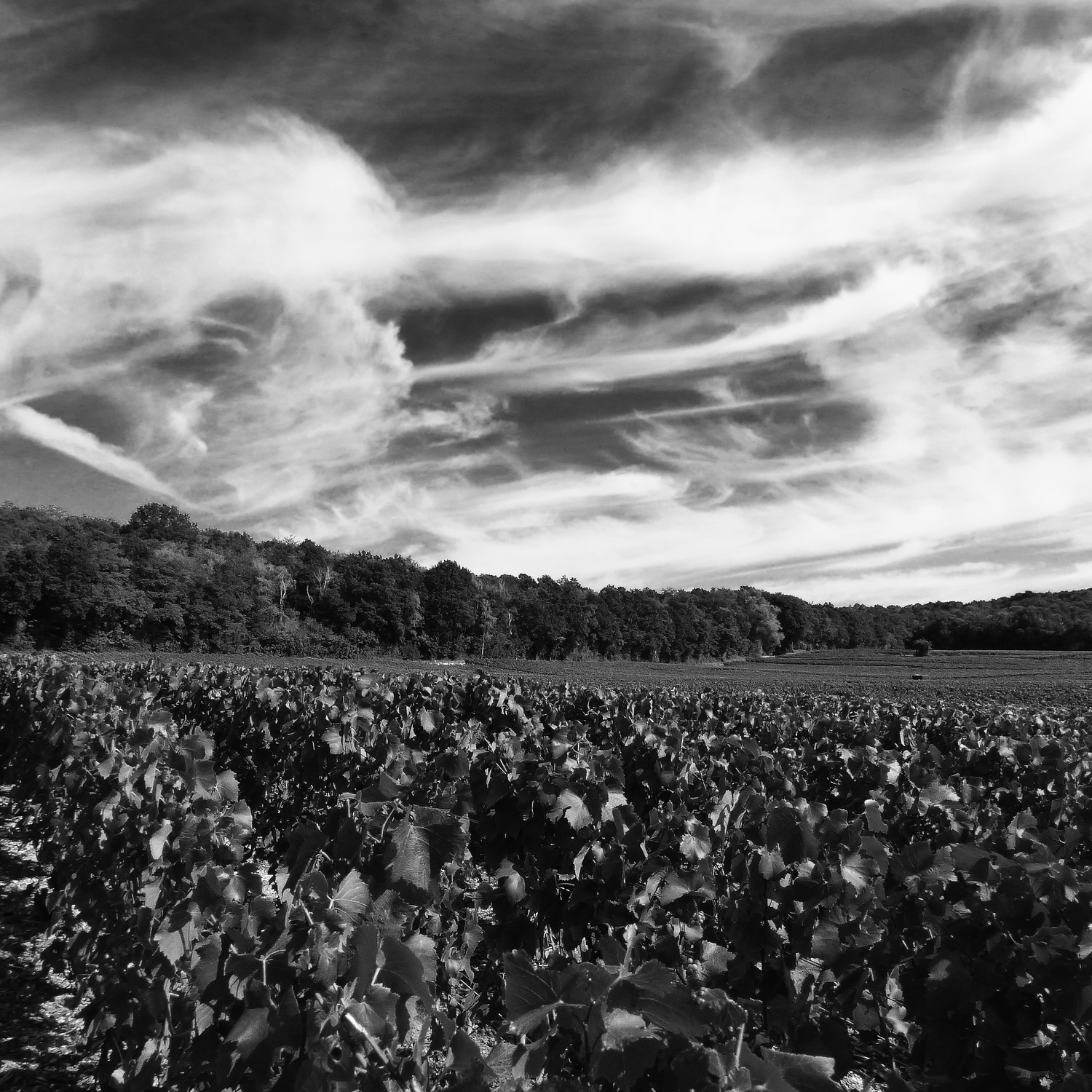
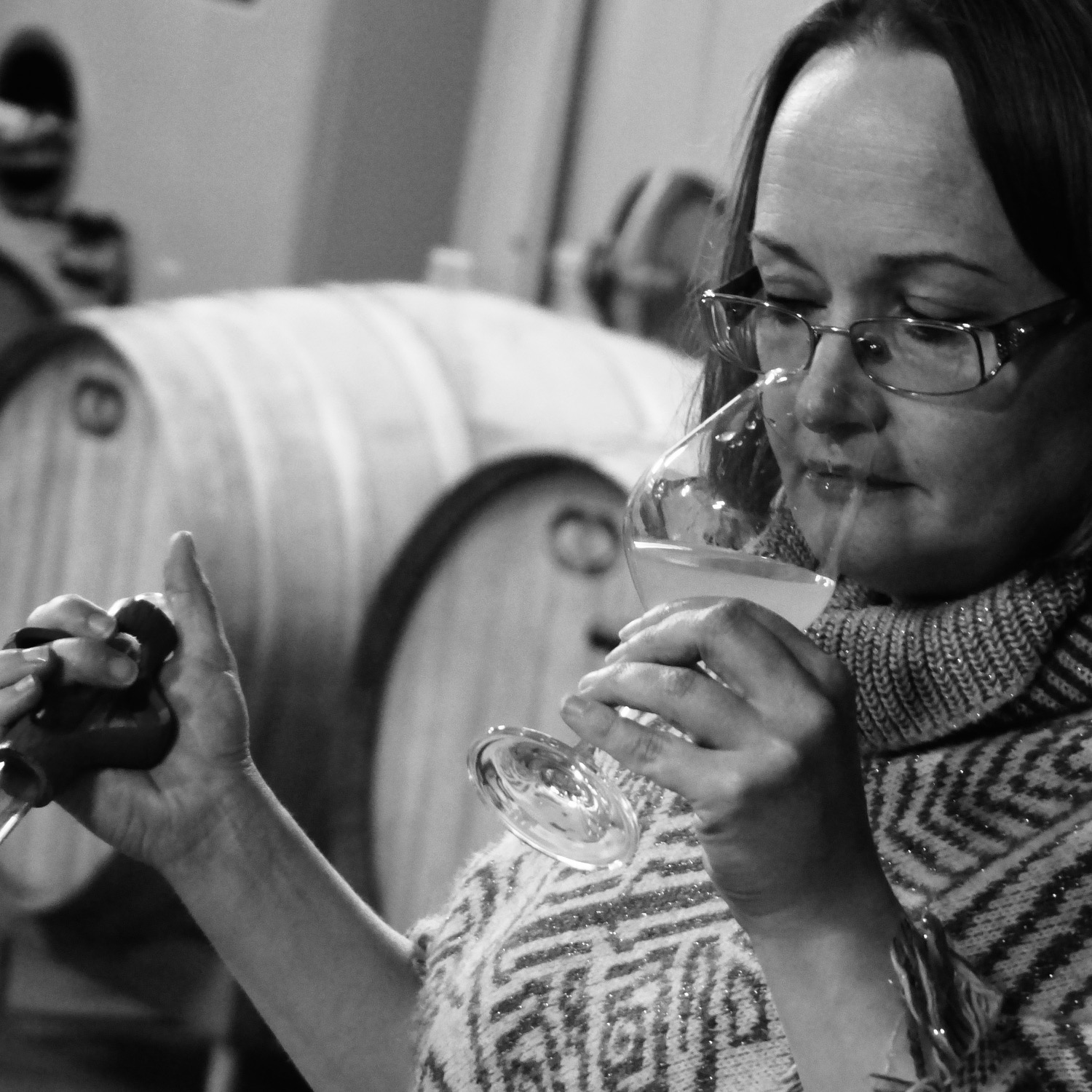
Nathalie Vignier descends from a wine growers family cultivating their vineyards in Cramant since four generations. She bought her own first vineyard in 2004, and grows Chardonnay ever since in three different plots, all of them situated on the chalky slopes of the famous Côte des Blancs south of Épernay. Here she makes a real Champagne Grand Cru, not only because of the official classification of her terroir, but also due to the care she takes for her vines and wines: Fermentation in oak barrels, a minimum use of sulphites, at least for years of bottle ageing, only natural cork for bottle closure… It needs a lot of time and patience to create beautiful things.
Hubert Soreau is a Champagne wine grower with all his heart. After arriving in the region some 20 years ago, he first acquired skills in the vineyards of a famous Champagne company, an experience that allows him to work his own vines with mindfulness and deliberation. Among his vineyards situated in the hills of Épernay, he particularly treasures his Clos l’Abbé, a plot of only 0,35 acres that has already been mentioned in the records of the Saint Martin Abby Épernay in the 17th century and who’s wines were kept under lock and key…
You may contact Nathalie and Hubert by email (champagne@vinparleur.net) or through the website of the Clos l’Abbé
Great tasting in New York on March 28th ! @SantaDuc @MartinesWines @LeCedreCahors @schatziwines @ChampJVignier
Great tasting in New York with Martine’s Wines Domaine Santa Duc and Château du Cèdre Cahors in partnerschip with Schatzi Wines. By the way, Schatzi Wines is or official US importer for Champagne J.Vignier and Champagne Le Clos l’Abbé!
Please RSVP to rsvp@mwines.com or search “Martine’s Wines” on Eventbrite to register. We look forward to seeing you!
Grand Tasting 2017 Martine’s Wines and Schatzi Wines New York
“Garage wines - “vins de garage” - are wines produced with very high quality standards by very small wine-growing estates. Typically, garage wines are distinguished by low yields per hectare, high maturity and strict selection of the grapes, as well as, of course, naturally concentrated must.”
The term “Garage wine”was created in Saint-Emilion in the nineties to describe small, exclusive Cuvees, cultivated almost like gardens. If this definition is applied to the Champagne, it can be said without any doubt that the Clos l’Abbé of Hubert Soreau is an authentic “Garage champage”!
Champagne Le Clos l’Abbé
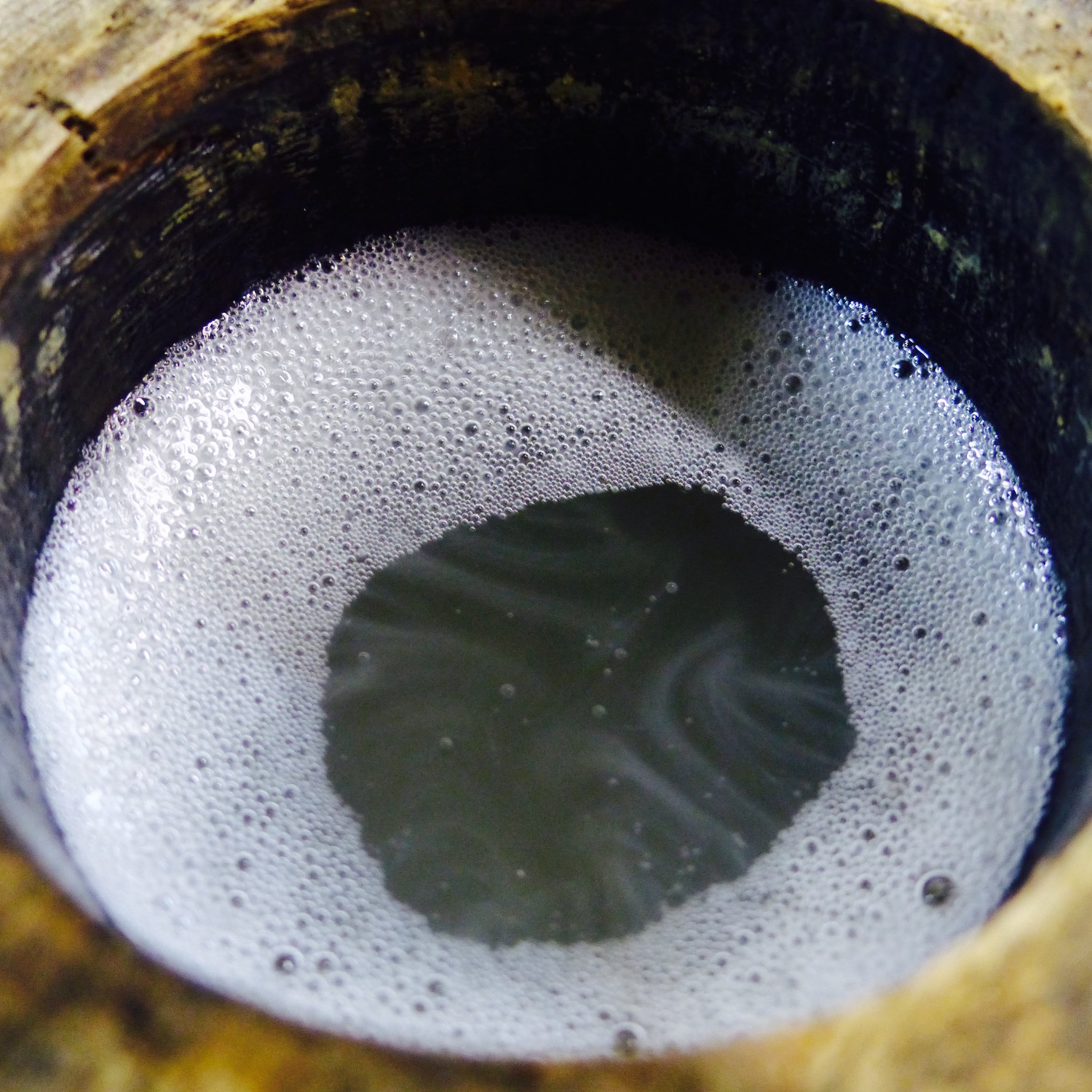
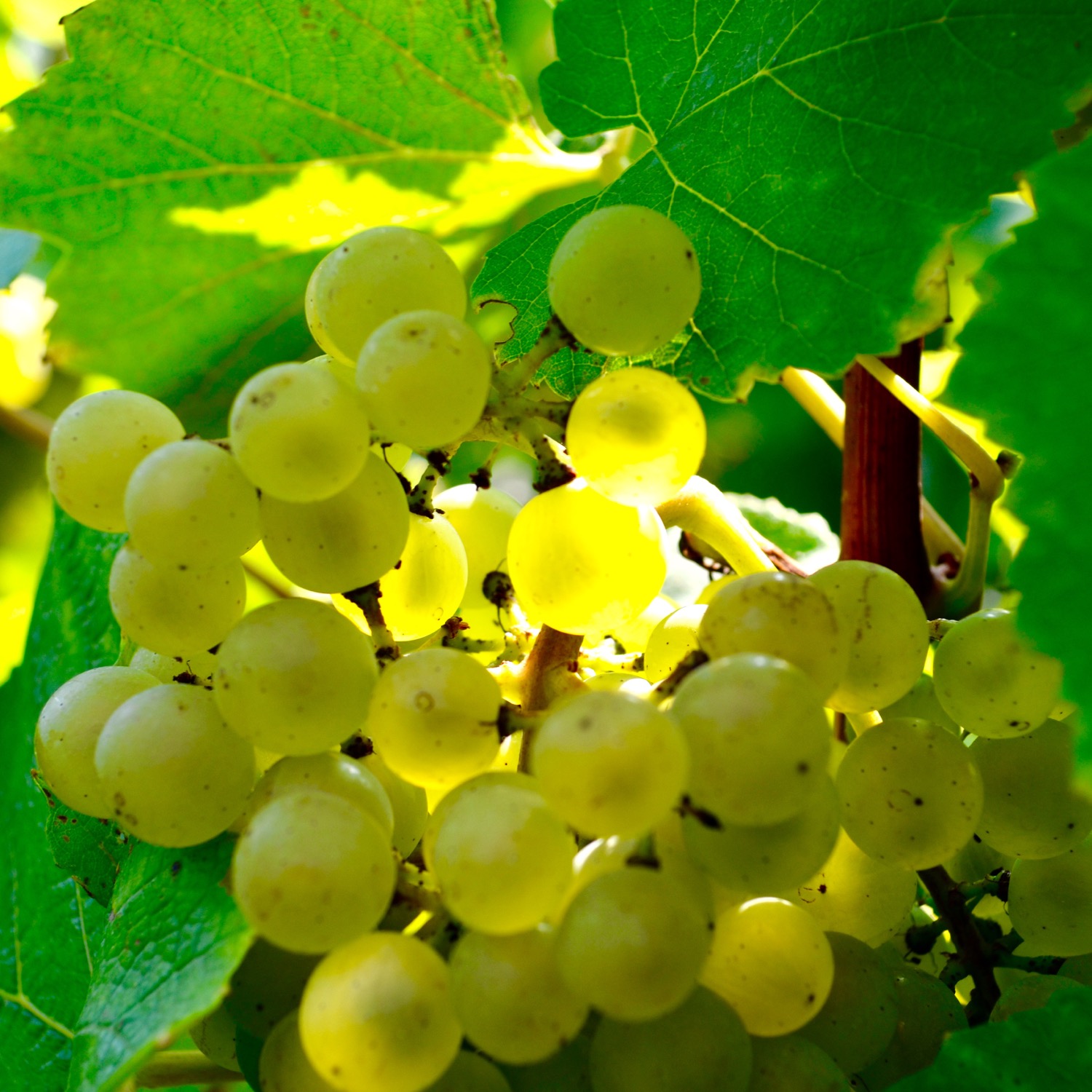
This wine is made of 100% Chardonnay in three different plots, with a total area of only half an acre south of Épernay. Moreover, two of the vineyards actually were gardens before, as witness the tulips and daffodils sprouting in the vineyards in spring. When fully ripe, grapes are pressed and the must is fermented in wooden vats from Hautvillers. Until the second fermentation in the bottle, the wine is not stored in a garage but in the cellar of Hubert’s wife Nathalie, a talented wine-maker that produces some champagne that look like jewellery under the brand Champagne J.Vignier in selected vineyards of the Côteaux du Sézannais and Côtes des Blancs. In spring the Clos l’Abbé is bottled to carry out the second fermentation under natural cork. It then rests for at least seven years on fine lees before being disgorged and hand-labeled.
Champagne Le Clos l’Abbé
In the glass, behind the glittering veil of fine, golden bubbles, an impressive, gradually evolving bouquet developes: citrus fruit, dried flowers, quince and ripe apples, hazelnuts and roasted aromas, a touch of smoke... In the mouth le Clos l’Abbé shows straight, mineral acidity, fine bubbles and a muscular body and an angelic smile. Not only champagne, but above all a very impressive wine, imposing and generous. Awesome!
#Champagne Le Clos l’Abbé – Prestige Tasting by SommelierS Magazine
Visual aspect: golden yellow, pleasant colour. In the nose: ripe bouquet with aromas of brioche and roasted almonds. On the second nose, smell of macerated plums. On the palate: Straight taste, impressive length, complex. Creamy mouth feel, almonds again and marzipan. A zest of lemon on the finish, lively acidity.
Food matches: Pan-fried greengage plum, poultry meat pie.
Comments: A very pleasant Champagne, that may accompany your entire menu.
It’s not an excellent idea to mature champagne in your own cellar. Most sparkling wines that you hide in the basement for several years will not reward your patience at all. They will have lost their zest, bubbles and probably a large part of their taste. Bottles of Champagne mature best in the cellars of the estate and when on the market, you should drink them over the next 12 to 18 months. In fact, at the winery the wines ripen on lees, giving them an incredible ageing capacity. The ripening on lees also contributes to the development of a typical bouquet of old Champagne: dried fruits of all kinds, hazelnuts, apricots, figs, but also dried flowers and the aroma of freshly baked bread, marmalade and spices…
Champagne Paul Lebrun
The Cuvee PRESTIGE of PAUL LEBRUN shows typical traits of an old champagne. A blend of several vintages, about a fifth of the wine aged in oak barrels, at least five years of bottle ripening in the cool chalk cellars 12 meters below the ground. A masterpiece of patience!
The rich, almost opulent nose with aromas of baked pears, almonds and dried flowers is more of a classic among mature Champagnes. In contrast, the fresh perfume of Physalis is rather a surprising aroma to be found in wine. The palate is medium-bodied and tasty, showing long-lasting fine bubbles.
FOOD MATCHES FOR CARNIVORES AND HERBIVORES: To be enjoyed on a long evening with friends, or while reading literary classics (Zola, Hugo, Huxley ...). For friends of sweets some “Buiscuit Rose” from Reims is suitable. More salty palates should pounce on a piece of old hard cheese...
#Recipe - Salmon fillet with saffron and #champagne
Serve with black rice and a puree of parsnip and celeriac
Salmon fillet (about 1 kg)
One organic lemon
2 medium-sized parsnips
1 medium-sized celeriacs
A small pot crème fraîche
Long grain black rice
One small onion
150 ml champagne or white wine
150 ml fish stock
200 ml liquid cream
Saffron
Olive oil
Oil of roasted sesame seeds
Salt and pepper
For the side dishes
Peel, dice and cook the parsnip and celeriac with a little water. Mash with the crème fraîche in a blender. Cook the rice and keep warm with some butter.
For the fish
Wash and dry the fillets and place on a baking sheet with parchment paper. Cut lemon slices and spread them over the fish. Cook up to 15 to 20 minutes at 180 ° C.
For the sauce
Finely dice the onion and stir-fry them with the olive oil until they are slightly coloured. Add the champagne or wine and let reduce. Add the fish stock and saffron and let reduce again. Now add the liquid cream, bring to a boil briefly and keep warm.
To serve
Put piece of salmon fillet on each plate and pour some sauce over it. Add two tablespoons of parsnip-celeriac puree to the plate, dribble a little sesame oil over it and, if appropriate, season with salt and pepper. Add a little butter to the rice in the pot, stir, season with salt and pepper, and add some to each plate.
Enjoy with
A full-bodied but crispy white wine or a Blanc de Blancs vintage Champagne. Blanc de blancs Champagne, made exclusively from Chardonnay are quite rare wines. On the palate, they outline a very special mineral acidity. Vintage Champagne should be produced in exceptional years, which gives, along with an extended bottle aging, amazing complexity and richness to the wines.
Balanced and healthy soils are the basis of any healthy and sustainable agriculture. A truism that one, however, had to rediscover in a more or less painful way in the last décades. This puts an end to the false promises of the “glorious”, chemical sixties! Many have understood: We have to take care of our soils. You have to protect and cherish them, so they can live on. Because soils, these piles of stones and dirt, may even die ...
“Agriculture has literally to go back to its roots and must become aware of the importance of healthy soils ...”, writes the FAO on its website. Soils are actually very complex, vibrant ecosystems that serve to a variety of functions, bringing benefits to the cultures that we plant on them. Being a reservoir for water and minerals, it’s bares also to a large variety of organisms: bacteria, fungi, insects and even mammals. All together they form a symbiotic system with the roots, improve the soil structure and contribute to a healthy and harmonious plant production. Soils are self-sustaining, open ecosystems that basically do not need the provision of man.
From the moment on men decide to cultivate a soil, they bring the system out of balance. This is not least due to crop harvesting, taking away a part of the ecosystem. It has long been believed that this imbalance could be adjusted with the help of chemical fertilizers and a massive application of weed killers and pesticides, to clean up the fields from the “parasitic nature”. This was believed to be the right path, since chemical fertilizers achieve spectacular growth results within short time.
HOGWASH! The excessive supply of nitrogen makes plants large but weak, the soils losing their porosity and their water retention capacity. Finally, this will kill the system… This imbalance may be hardly corrected. But there is an alternative, without necessarily getting back to prehistoric wilderness. On the contrary, the alternative to chemistry usually requires much more efforts and considerations.
“We use no more weed killers since the nineties,” explains Jean-Marc Verhaeghe, vineyard manager at Château du Cèdre in Cahors.
“We control the growth of wild herbs with a plough, inter-vine hoes and mowing. This has proven to be very beneficial to our vineyards. The vines have driven their roots further down, the weeds improve soil porosity favouring the infiltration of rainwater. In addition, evaporation and erosion are reduced, and biodiversity in the soils and the vines increase.”
Yves Gras has enriched his soils with a special carbon-containing compost. Ten tons per hectare! The compost brings organic material into the soil and increases its water retention capacity. Not a luxury in the hot Mediterranean part of the Rhône Valley, where are his vineyards.
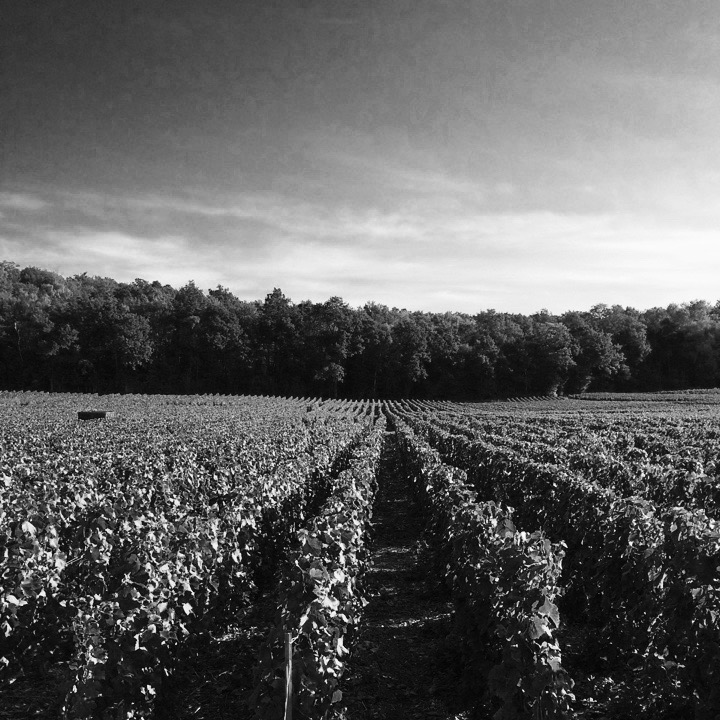
Hubert Soreau also stopped using weed killers, taking considerable risks in his Chardonnay growing Clos l’Abbé in the Champagne south of Épernay. For grasses and herbs may increase the risk of frost in spring, which may sometimes nip the entire harvest in the bud. But his vines seem to be grateful with a more natural life, giving him fully ripe grapes for already several years, a basis for its full-bodied and amazingly complex champagne.
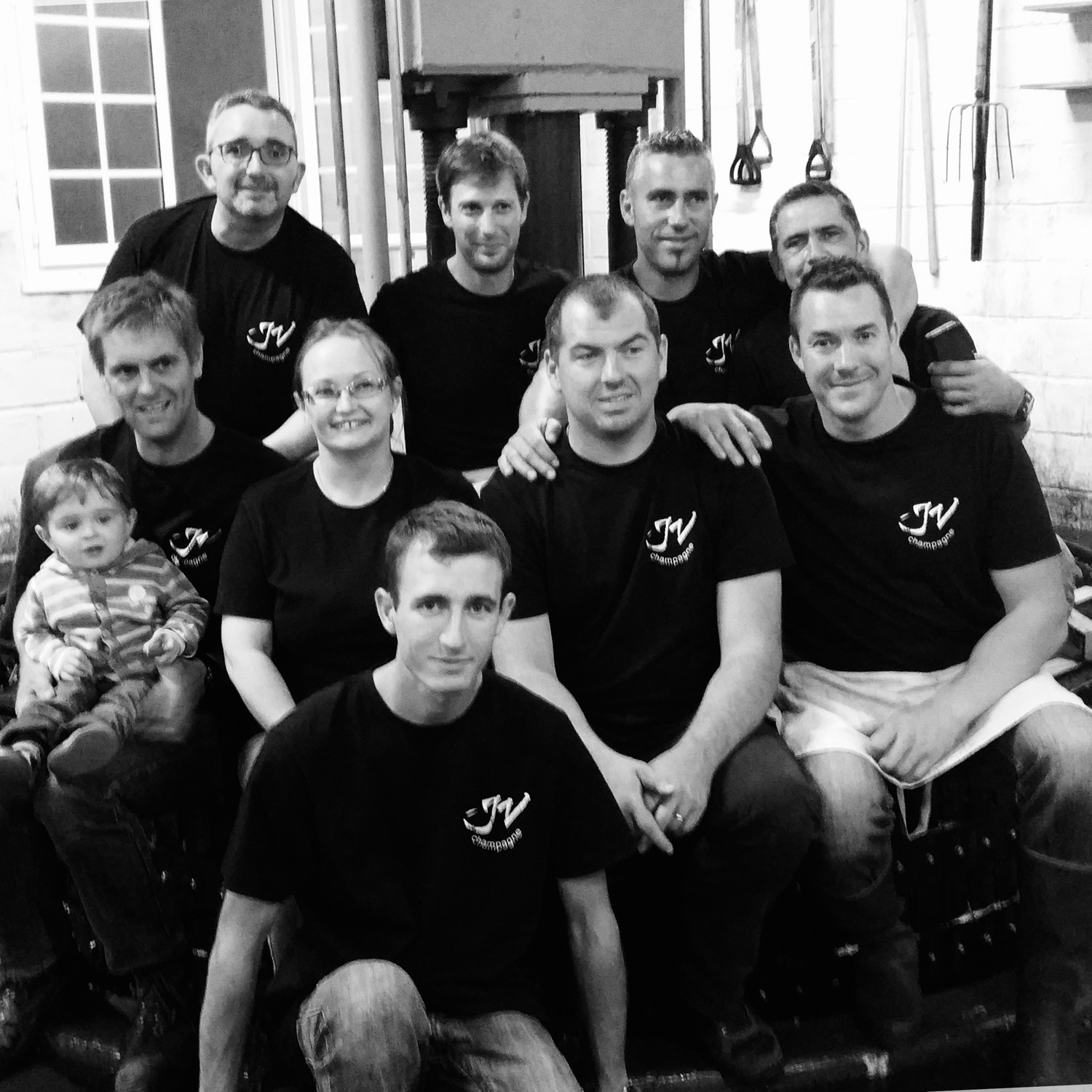
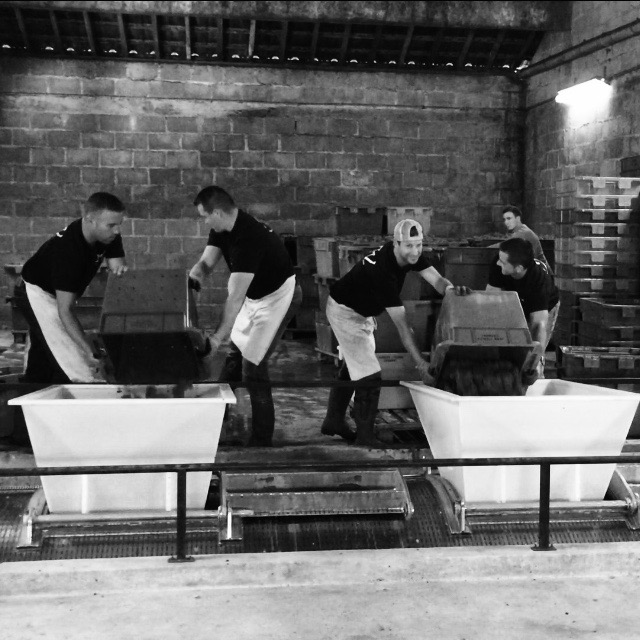
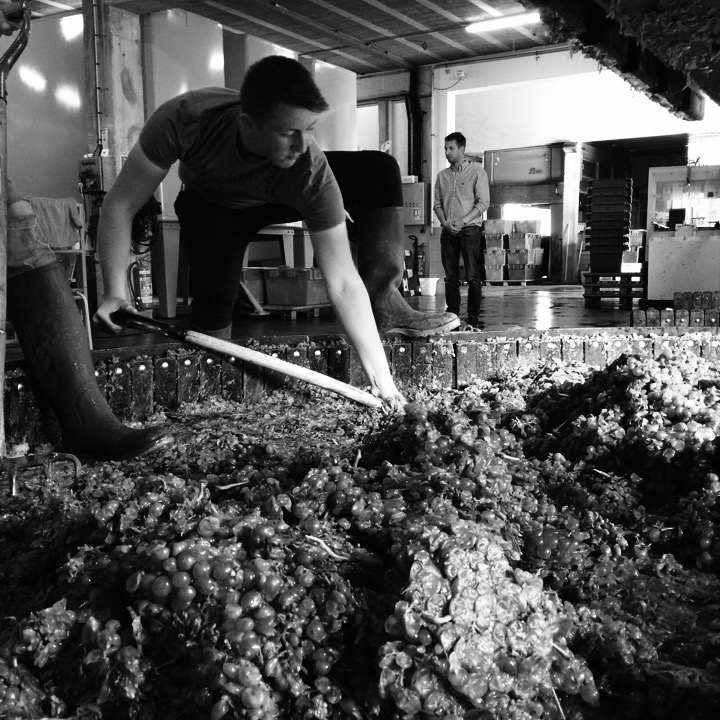
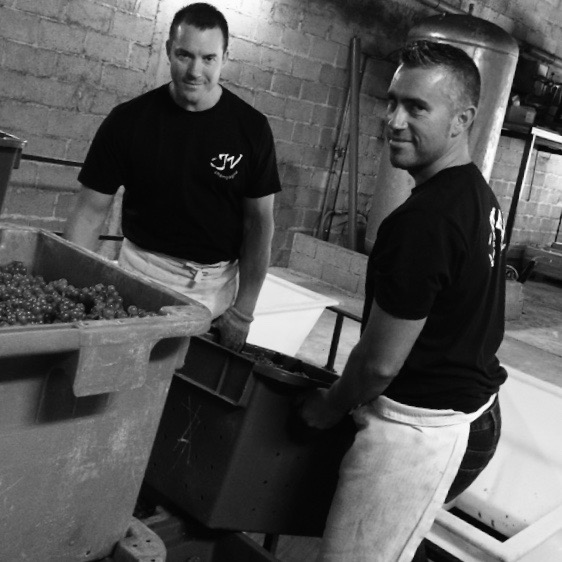
Thanks to everyone for this great harvest time! #Champagne
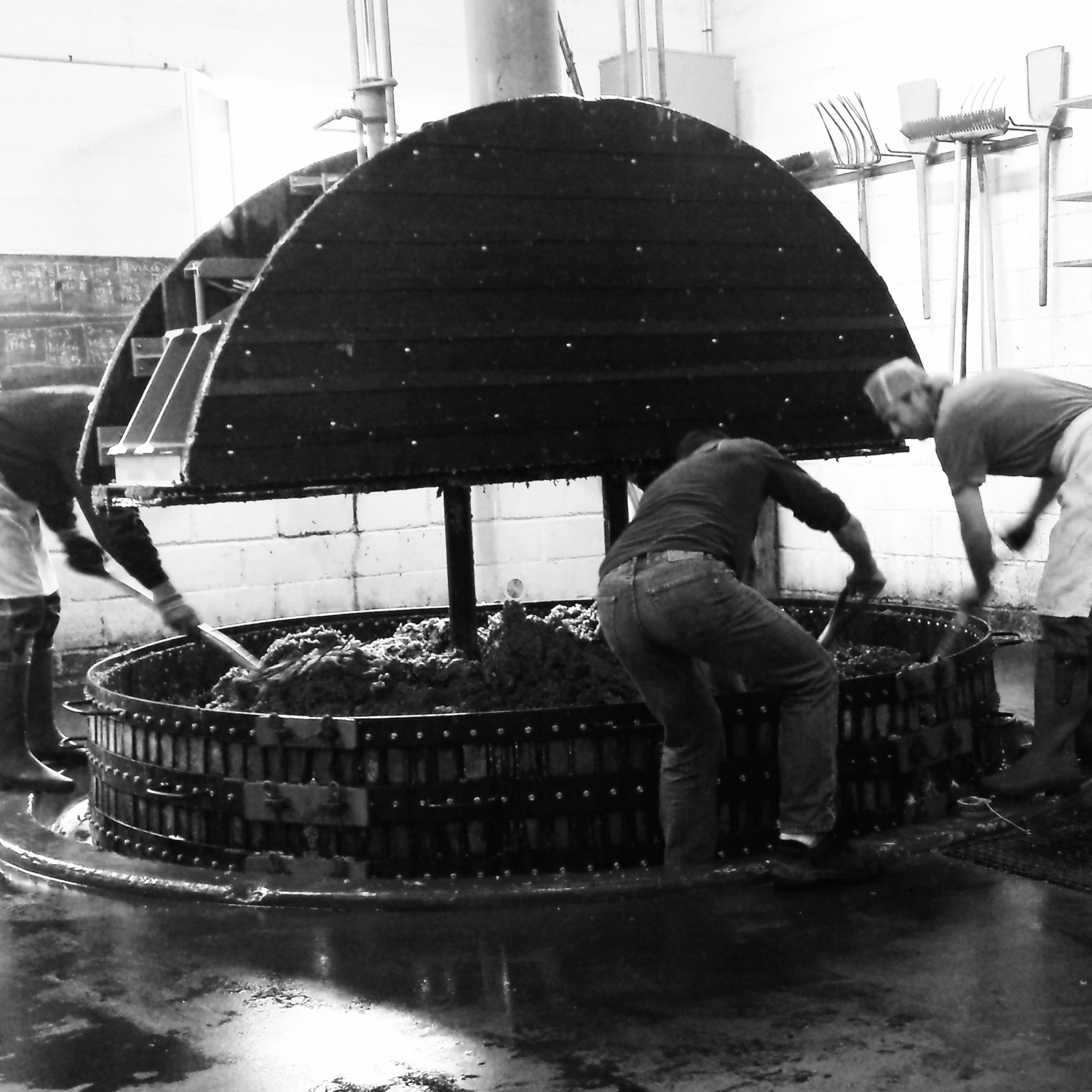
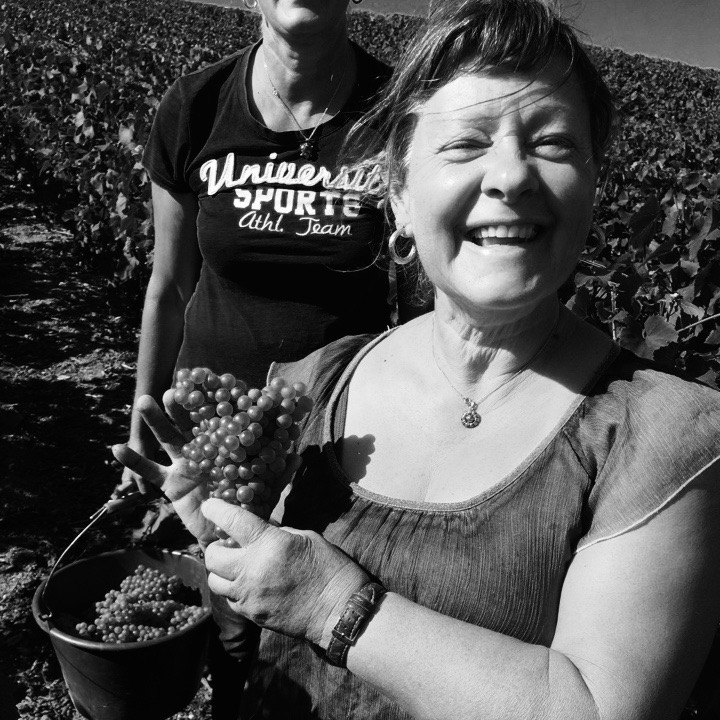
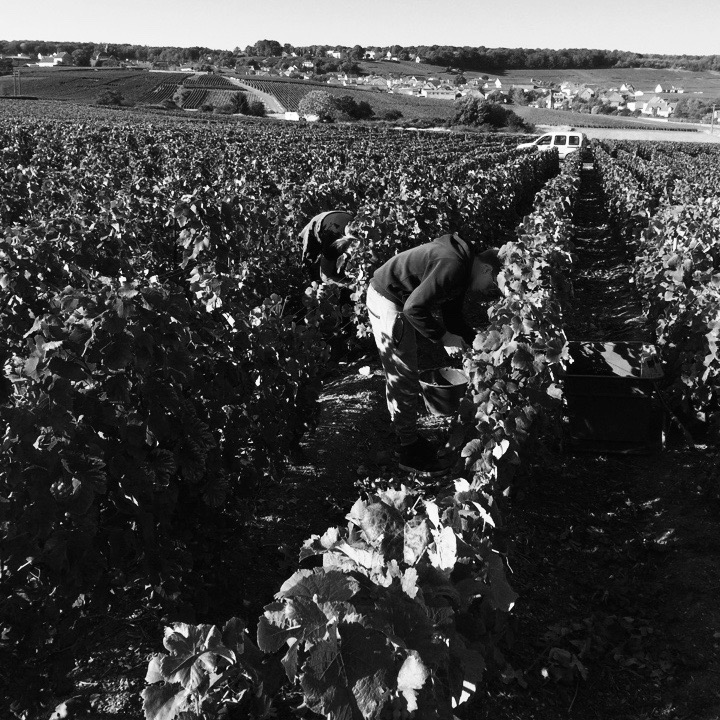
Thanks to our loyal harvesters, grape pressers and drivers…
To all who have helped us in this year’s grape harvest and winemaking!
Joey, Wilfried Greg and the “girls” ... ..
Dominique, Régis, François, Thierry.
Clément et Gérard.
Morgan.
Romain, Christiane et Pepe.
The "River Experts»: Brice, Jean-Marc and Fred ...
Transport Déré, in the person of JF: already 20 years of common harvest!
Sylvie, Nono ...
Both Jean-Marc S. Wine EXPERTS ....
Laurent, Ludo, Alex ....
Dominique.
New York State residents are lucky beggars! #champagne
Probably they already were before, but they definitely are since SCHATZI WINES, an “alternative importer and distributor” based in Milan has started importing Hubert Soreau’s CHAMPAGNE Le Clos l’Abbé. Read an extract of their enthusiastic writing about Hubert and his wine (and then run to get a bottle of those fine bubbles!).
“Hubert Soreau is not from Champagne and like many outsiders who have found their way into traditional, European viticultural regions (ref. Tony Bodenstein at Prager, Michi Moosbrugger at Schloss Gobelsburg, Ted Lemon at Dujac), he is making waves. He is part of the single vintage, single parcel, single barrel approach currently utilized by a handful of growers in the region, but he also brings to his work a perspective unencumbered by traditions and conventions. Le Clos l’Abbé is a single parcel outside of Epernay where the Vallée de la Marne and the Côte des Blancs meet. This parcel was originally planted in the 9th Century after the Bishop of Reims ordered it cleared for viticulture. […] He never uses pesticides or herbicides and he picks late in the season with an average ripeness of 11° Baumé. Fermentation takes place in both used barriques and neutral 300L Hautvillers oak barrels and is finished with minimal dosage.”



 RSS
RSS